
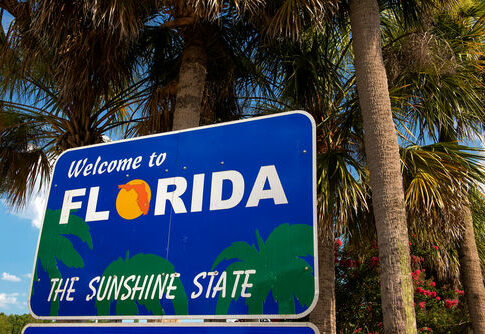
Florida’s dream of low taxes and sunshine turned into a nightmare as over 2 million migrants from high-tax blue states drove costs sky-high, betraying the conservative promise of affordable freedom.
Migration Boom Sparks Cost Explosion
Over 2 million residents fled California, New York, and Illinois for Florida since 2020, drawn by no state income tax, warm climate, and escape from high-regulation states. This mass influx strained housing supply in a market already tight from post-COVID remote work trends. Rents soared 85% from $1,200 to $2,200 per month by 2025, making the Sunshine State the nation’s sixth-highest for rental costs. Homeowners faced the highest U.S. residential insurance premiums at $2,794 annually, up 63% since 2020 due to hurricanes and demand pressure. Florida TaxWatch documented this shift in their Q3 2025 “Mid-Decade Check-In” report, highlighting how migration turned a low-cost haven into a pressure cooker.
Pre-Pandemic Haven to 2025 Affordability Crisis
In the 2010s, Florida’s cost-of-living grew modestly at 1.3% annually, below national averages, attracting retirees and families seeking relief from blue-state taxes. Post-2020, growth accelerated to 5.8% yearly, peaking in 2022 before slowing but staying elevated. Groceries led the charge: eggs up 135%, rice 46%, bread 30%. The ALICE Essentials Index for housing, food, utilities, and childcare rose 9.4% annually in Florida from 2021-2023, outpacing the national 7.3%. By Q3 2025, Florida ranked 18th most expensive U.S. state and fourth in the South, with Miami and Tampa metros hit hardest. No-income-tax savings offered partial relief, but combined property taxes and insurance often exceeded $10,000 yearly for many households.
Residents Bear the Brunt Amid Warnings
Ninety percent of Floridians express concern over inflation, with essential workers $18,000 short of survival budgets despite wage growth in tourism and services. Migrants arriving for tax advantages now face “sticker shock,” prompting some to eye exits. Florida TaxWatch warns of a widening earn-vs-cost gap without reforms to housing supply and insurance regulation. United for ALICE reports essentials costs outpace CPI nationwide, hitting low-income and ALICE households hardest. Policymakers face pressure from residents against insurers and developers profiting from shortages. The Florida Department of Revenue adjusted COL limits by 2.9% in 2025, setting income thresholds at $41,662 for singles and $46,773 for couples.
This unintended crisis underscores a harsh reality: even red-state successes like Florida’s no-tax model buckle under unchecked migration and market forces, fueling bipartisan frustration with government failure to protect the American Dream of hard work yielding prosperity. Conservatives who championed America First policies see echoes of federal mismanagement in state-level woes, as high energy costs and inflation persist despite GOP control. Liberals lament growing divides, but both sides agree elites prioritize power over people. Without bold action on supply constraints, Florida risks demographic shifts to wealthier residents only, eroding its appeal as a land of opportunity.
California, New York, and Illinois Lost Over One Million Residents Combined. Over 2 Million Moved to Florida. Here Is What Happened to Florida Cost of Livinghttps://t.co/TmiS4DSfRZ
— 19FortyFive (@19_forty_five) April 24, 2026
Long-Term Risks and Policy Pressures
Short-term, renters and homeowners grapple with surges, risking workforce exodus and slowed growth. Long-term, persistent shortages could solidify wealth gaps, altering Florida’s retirement magnet status. Florida TaxWatch urges housing reforms and insurance fixes, noting the no-tax edge offsets some pain but falls short. Recent data shows groceries and utilities easing, yet overall costs remain above pre-pandemic levels. As President Trump’s second term advances federal reforms, states like Florida highlight the need for limited government to tackle root causes—overregulation, disaster vulnerability, and demand overload—restoring affordability for working Americans on both sides of the aisle.
Sources:
Florida Department of Revenue Cost of Living Adjustment
Florida TaxWatch: Cost of Living in Florida – A Mid-Decade Check-In
United for ALICE: Costs Over Time – Florida