
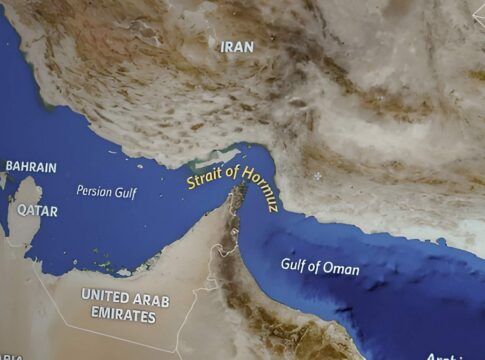
Iranian gunboats firing on Indian-flagged oil tankers in the Strait of Hormuz is the latest warning that hostile regimes can still choke off global energy and test America’s strength on the high seas.
Story Snapshot
- Iran’s Islamic Revolutionary Guard Corps opened fire on two India-bound, Indian-flagged commercial ships in the Strait of Hormuz, forcing them to turn back.
- India’s Ministry of External Affairs summoned Iranian Ambassador Mohammad Fathali and lodged a formal protest, calling the incident a “serious” breach of maritime safety.
- The tankers were carrying crude oil to India, highlighting how one aggressive regime can threaten fuel supplies for millions and shake already fragile energy markets.
- The firing fits a larger pattern of Iranian attacks and threats in Hormuz, where at least ten vessels have been hit since Iran moved to restrict traffic through the strait.
Iranian Gunboats Target Indian Oil Tankers
On April 18, 2026, two Indian-flagged vessels sailing toward India came under fire while crossing the Strait of Hormuz, one of the world’s busiest and most critical shipping lanes. Reports from India and international maritime monitors say gunboats tied to Iran’s Islamic Revolutionary Guard Corps approached an oil tanker northeast of Oman and opened fire without radio warning, striking the ship and forcing it to turn back toward safer waters. A second India-flagged vessel in nearby waters also reported being fired upon and damaged.
Indian media and foreign ministry briefings identify the targeted ships as large crude carriers bound for India, loaded with Iraqi oil and other cargo. Despite the gunfire and reported projectile strike on containers, crews on board survived and the hulls remained afloat, but both ships abandoned their transit and reversed course rather than risk further attack. United Kingdom Maritime Trade Operations reports describe panic on the bridge as captains pleaded over radio for Iran’s forces to let them pass, underscoring how quickly a routine voyage turned into a high-risk military confrontation.
India’s Diplomatic Protest and Call for Safe Passage
India’s Ministry of External Affairs responded within hours by summoning Iranian Ambassador Mohammad Fathali to the foreign ministry in New Delhi and lodging a formal, face-to-face protest. Foreign Secretary Vikram Misri told the ambassador that India viewed the firing on merchant ships as a “serious incident” and stressed that the government places the highest importance on the safety of commercial shipping and the Indian mariners who crew these vessels. Misri reminded Fathali that Iran had previously promised safe passage for India-bound ships through Hormuz and urged Tehran to resume that protection and stop threatening foreign cargo traffic.
Indian officials also pressed Iran to quickly restore navigational safety and restart unhindered transit for ships carrying oil and other critical goods to Indian ports. The ambassador reportedly agreed to convey India’s views to authorities in Iran, though public reports do not yet show clear action from Tehran to rein in the Revolutionary Guard Corps or guarantee safe passage. For Indian leadership, the move to summon Iran’s envoy marks one of the strongest diplomatic steps New Delhi has taken against Tehran’s maritime behavior, sending a signal that attacks on civilian shipping will not be quietly ignored.
Part of a Broader Pattern of Iranian Maritime Coercion
The attack on India-flagged vessels did not happen in isolation; it fits a wider pattern of Iranian maritime coercion in the Strait of Hormuz that has grown more aggressive since early 2026. Data collected by maritime analysts and the International Maritime Organization show that about ten vessels in or near Hormuz have been attacked or seized since Iran began restricting the strait in response to United States and Israeli operations, with several incidents causing deaths and ship damage. Iran’s Islamic Revolutionary Guard Corps has used gunfire, seizures, explosive boats, and threats of closure to pressure the West and gain leverage in political disputes.
India Summons Iranian Diplomat After Indian Sailor Killed in Hormuz
Iran’s targeting of cargo vessels is concerning. If such attacks continue, India may have to consider stronger measures, including naval deployment to protect Indian sailors and vessels: @live_pathikrit tells… pic.twitter.com/jVXtVlWyPD
— TIMES NOW (@TimesNow) July 14, 2026
Iranian statements often claim these actions enforce “maritime regulations” or answer so-called foreign “piracy,” but the pattern shows a strategy of using a narrow waterway as a political weapon rather than a policing tool. Previous United States administrations warned that such harassment of commercial ships would face military pushback, pointing to a history of Iranian gunboat provocations that test naval red lines and global resolve. For India and every nation that relies on Hormuz for oil and gas, each new attack raises the cost of shipping, drives insurance rates higher, and feeds into the energy price spikes that American families have already felt at the pump for years.
Why This Matters for American Energy Security and Conservative Values
The Strait of Hormuz carries a large share of the world’s traded oil, and attacks on tankers bound for India threaten more than just one country’s supply; they rattle global markets that set prices for American gasoline, diesel, and home heating fuel. Every time Iran’s gunboats force a loaded tanker to turn back or risk being hit, shipping companies factor in higher danger, longer routes, and bigger premiums, costs that eventually land on working families already stretched by years of inflation and energy shocks. Aggression in Hormuz also reminds us how fragile freedom of navigation is when hostile regimes test weak international responses.
For conservatives who value a strong America, secure borders, and a government that defends citizens rather than apologizing to bullies, the firing on Indian ships is another case study in why peace through strength still matters. Iran is probing how far it can go in choking off trade and intimidating partners without facing serious consequences, and every unchallenged attack invites the next one closer to our own supply lines. While India has moved to protest and demand action, the broader question remains whether the free world, led by the United States, will back words with real deterrence to keep critical sea lanes open, protect honest commerce, and stop rogue forces from turning global trade routes into shooting galleries.
Sources:
insiderpaper.com, wsj.com, facebook.com, reuters.com, business-standard.com, caspianpost.com, moderndiplomacy.eu, aljazeera.com