
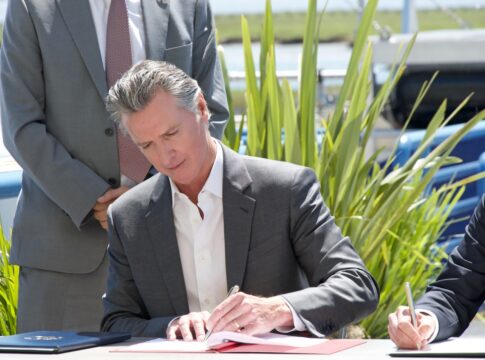
California just handed a full 136 acres of beloved public coastline to a private tribal nonprofit, raising serious questions about who really controls access to our beaches going forward.
Story Snapshot
- California approved transfer of 136 acres of Blues Beach and bluffs to the tribal nonprofit Kai Poma.
- The deal is part of a wider “land back” push tied to climate and conservation goals.
- Vehicle access will be closed, and long‑time coastal users face new rules under private stewardship.
- The move fits Gavin Newsom’s broader agenda of shifting state land into tribal‑run conservation projects.
Newsom’s Coastline Transfer: What Happened at Blues Beach
State transportation officials in California have approved shifting 136 acres of Blues Beach and nearby Mendocino County bluffs from state control to Kai Poma, a private nonprofit formed by three local Pomo tribes. The California Transportation Commission signed off on the transfer on June 26 after years of planning and coordination among agencies and tribal leaders. Once the deal is finalized, Kai Poma will permanently own and manage the land, not the state. This marks the first time land managed by the California Department of Transportation has been handed directly to a Native‑led organization.
The property includes a popular stretch of sandy beach near Westport and dramatic coastal bluffs that many Californians have used for decades for fishing, driving, camping, and family trips. Under the transfer plan, the California Department of Transportation says it will close Blues Beach to vehicles as part of an agreement with Kai Poma and the California Coastal Commission. A coastal permit divides about 172 acres of state land, moves 136 acres into Kai Poma’s hands, and authorizes a new management plan that sets long‑term rules for public use and protection. Supporters describe the area as both environmentally sensitive and spiritually important.
How “Land Back” Became State Policy Under Newsom
This coastal handover does not stand alone; it fits into a broader strategy launched by then‑Governor Gavin Newsom years earlier. In 2020, Newsom directed California agencies to improve tribal access to traditional territory on state land, using co‑management or outright acquisition as tools. He later proposed $100 million so tribes could buy and preserve ancestral lands, linking these deals to his pledge to conserve roughly one‑third of California’s land and coastal waters by 2030 in the name of fighting climate change. Under that policy direction, more than 12,000 acres have been returned to tribes with state help, much of it in the last few years.
Large‑scale “land back” agreements have already reshaped parts of northern California. In 2025, Western Rivers Conservancy and state agencies completed a 47,000‑acre transfer along the lower Klamath River to the Yurok Tribe, creating the Blue Creek Salmon Sanctuary and Yurok Tribal Community Forest. That deal more than doubled the tribe’s land holdings and was hailed by supporters as the biggest single land back arrangement in state history. Other conservation projects have moved hundreds of acres into tribal hands near Palm Springs, tying land return directly to California’s 30 by 30 conservation goals. Blues Beach is a smaller piece, but it extends the same model to a well‑known public coastline.
What It Means for Public Access and Local Communities
California officials and Kai Poma say their plan will protect sensitive coastal habitat and tribal cultural resources while keeping some public access in place. They argue that local tribal stewardship can better guard wildlife, dunes, and sacred sites than distant bureaucracies, and fits with a moral push to address historic wrongs that saw Native land taken through broken treaties and violence. Newsom previously issued a formal apology for that “dark history” and set up a Truth and Healing Council to reshape how the state deals with tribes. The Blues Beach deal grows out of this moral and political framework.
BREAKING: Gavin Newsom has handed 136 acres of California coastline to Indigenous tribes as part of a land return effort addressing historical dispossession. pic.twitter.com/ztMXpPn5iH
— The General (@GeneralMCNews) July 6, 2026
For everyday coastal users, the picture is more mixed. Car closures will change how families, older visitors, and people with mobility issues reach the sand, and future rules will be written not by elected county officials but by a private nonprofit board. Hunters, anglers, and campers may need new permits or face new limits as Kai Poma’s management plan takes hold. Supporters frame these changes as necessary to stop damage from vehicles and heavy use, but there has been little broad public debate about long‑term access rights or how far new restrictions could go.
Growing Questions About Control of State Land
Conservatives watching the trend see a familiar pattern: Sacramento uses feel‑good language about justice and climate to move real control of land away from voters and toward hand‑picked partners. Land back advocates speak of “sovereignty” and “healing,” while practical questions about who can drive, build, or start a small business on these properties get less attention. The pace of transfers, from tens of thousands of acres in the Klamath region to hundreds of acres in other conservation zones, suggests this is not symbolic but structural.
Future fights are likely to center on transparency and limits. Californians deserve clear answers about how much state land can be signed away, what tools exist to protect broad public access, and how local users can challenge rules set by private stewards. At Blues Beach, the transfer may protect important cultural sites and fragile habitat. But it also sets a precedent: once popular coastline moves off the public ledger, bringing it back under direct voter control becomes very difficult. For many readers, that is the real stake behind this quiet 136‑acre deal.
Sources:
nypost.com, latimes.com, instagram.com, mendovoice.com, documents.coastal.ca.gov, coastal.ca.gov