
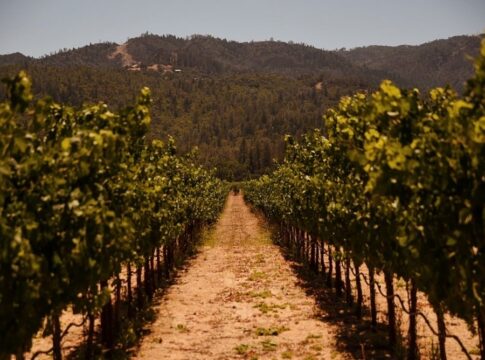
California is slapping Napa Valley vineyards with new groundwater fees that many growers say could push family farms toward oblivion.
Story Snapshot
- Napa County approved new groundwater “sustainability” fees that add up to $98.74 per irrigated acre for vineyards starting in 2026.[1][4]
- Growers already face heavy regulation costs per acre and warn these new charges could be the breaking point for small, family-run vineyards.[2][5]
- Officials say the fees are required by the state’s Sustainable Groundwater Management Act and will fund monitoring and reporting, not actual water use.[3][4][9]
- Industry pressure forced the county to cut the original proposal by about half, showing how extreme the first plan really was.[3][17]
New Groundwater Fees Hit Napa Vineyards Hard
Napa County supervisors voted in late 2025 to start charging an annual groundwater “sustainability” fee on land inside the Napa Valley subbasin, with bills arriving on 2026–27 property tax statements.[1][4] Vineyard owners who irrigate with groundwater will pay a combined **$98.74 per planted acre every year**, made up of a $38.58 base rate plus another $60.16 for groundwater irrigation.[3][4] Dry-farmed acres or land using surface or recycled water pay the base rate only, but most vineyards rely on groundwater.[3]
County documents say the fee is not a direct charge for water use, but a way to fund the local Groundwater Sustainability Agency created under California’s Sustainable Groundwater Management Act.[4][9] Money raised will pay for administration, data systems, monitoring of groundwater levels, reporting to the state, and other compliance tasks demanded by Sacramento’s law.[3][4][9] In other words, growers are being billed to satisfy state paperwork and oversight, on top of the huge costs they already face to keep vines alive in a deepening drought.[2][5]
Growers Warn of “Financial Shock” and Threat to Family Farms
A 2025 report on regulatory costs in Napa vineyards shows growers were already paying about $57 per acre just to comply with water access rules before these new fees.[2] The study warns that once the $98.74 groundwater charge kicks in, many vineyards will see their per-acre groundwater compliance costs nearly triple in a single year.[2] Industry groups say the first round of fee postcards caused “significant financial shock” and forced them to lobby for cuts of 50 to 60 percent from the original proposal.[3][17]
Large, corporate-backed vineyards may have the cash to survive new fees, but smaller family operations often run on thin margins.[5] Research on California agriculture shows that when groundwater costs rise sharply, farmers cut perennial fruit crops and leave more land idle because they simply cannot make the math work.[18][21] That pattern suggests Napa’s classic small vineyards — the kind many patriots see as part of America’s rural backbone — could be squeezed hardest by Sacramento’s sustainability push, even as residents already struggle with inflation, taxes, and higher energy bills.[5][21]
State Law Mandates Fees, But Local Control Feels Distant
County officials and industry blogs stress that these fees are “required” under the Sustainable Groundwater Management Act and are meant to keep groundwater management in local hands rather than under direct state control.[3][9] The law orders each basin to create a long-term Groundwater Sustainability Plan and pay for it through user fees on people who rely on wells.[2][9] In Napa, about 45,900 acres of land fall inside the subbasin, and growers in that area will carry most of the cost, while neighboring land just outside the line escapes the new charges.[1]
Supervisors approved the fee on a close 3–2 vote, showing how divided even local leaders are about the burden on farmers.[1] To soften the blow, Napa County pledged to kick in $500,000 each year, with $300,000 used to lower overall fee rates and $100,000 reserved for hardship waivers, mainly for households on domestic wells.[1][3] While that sounds helpful on paper, the county has not laid out clear rules for who qualifies or how many growers will actually get relief, leaving many to feel the “help” is more talking point than safety net.[3][13]
Environmental Goals Versus Economic Reality for Napa Agriculture
Supporters argue that without strong action, aquifers across California will keep dropping, following the dangerous trends already seen in the Central Valley where groundwater depletion has sped up in recent years.[25] Studies show charging for groundwater can cut use as farmers change crops or leave land unplanted, which can help stabilize water tables over time.[18][22] For many conservatives, the problem is not the goal of protecting water, but the heavy-handed way Sacramento forces costs onto producers while offering little real flexibility or transparency.[9][21]
Research from the University of Maryland and others finds that hitting farmers with large water cost hikes leads to big shifts away from permanent crops into cheaper annual ones and increases land that leaves farming each year.[21][23] Napa’s vineyards are permanent, high-value crops that take years to establish, so sudden new fees raise the risk that growers will rip out vines or sell land rather than gamble on thin profits under moving regulatory targets.[2][5][21] For a valley that helped put American wine on the map, the stakes of this groundwater fight reach far beyond one new line on the tax bill.
Sources:
[1] Web – Furious Napa Valley vineyards facing oblivion as crucifying new fees …
[2] Web – Groundwater Sustainability Fee
[3] Web – Proposed Groundwater Sustainability Agency Fee for FY 2027
[4] Web – Napa County to Implement New Groundwater Sustainability Fees …
[5] Web – Fiscal Year 2026-2027 Draft Rate & Fee Study
[9] Web – AB 2026: Water diversion: groundwater recharge: permit.
[13] Web – [PDF] Regulatory Cost of Production in Napa County Vineyards
[17] Web – Napa’s groundwater fee is here. Here’s what it actually costs you …
[18] Web – Groundwater Fees Reduced by 50-60% Following Industry Advocacy
[21] Web – California passed a law to limit and fine farmers for ground water …
[22] YouTube – Rising Regulatory Costs Cripple California Farmers as New Rules …
[23] Web – Cost of Water Increases Likely to Cause Big Shifts in California …
[25] Web – California farmers may switch to less water-intensive crops due to …