
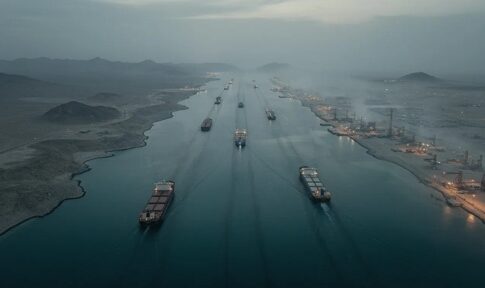
The US Navy has redirected 34 merchant vessels attempting to enter or exit Iranian ports since imposing an unprecedented naval blockade in mid-April 2026, marking the first full maritime stranglehold on a nation since World War II.
From Warnings to Weapons Fire
The blockade commenced April 13 following collapsed peace negotiations between President Trump and Tehran. Within the first 24 hours, six merchant vessels reversed course after encountering US Navy warships including the USS Frank E. Petersen Jr. No shots were fired initially, as captains complied with radio directives to turn back from Iranian coastal waters. The early compliance rate suggested global shipping companies calculated the risks of insurance loss, legal liability, and potential vessel seizure outweighed any financial incentive to challenge American naval supremacy in these strategically vital waterways.
That calculus shifted dramatically on April 19. The Iranian-flagged cargo ship MV Touska ignored repeated warnings from the USS Spruance and continued toward an Iranian port. US forces opened disabling fire on the vessel, then Marines from the 31st Marine Expeditionary Unit stormed aboard and seized the ship. This marked the transition from passive deterrence to active enforcement, sending an unmistakable message to vessels worldwide that testing American resolve would result in immediate military response rather than diplomatic negotiation.
The Numbers Tell a Story of Escalation
Tracking the vessel count reveals how rapidly the operation intensified. Secretary of War Pete Hegseth announced the 34-ship figure during a Pentagon briefing, though various military sources reported slightly different tallies based on reporting timeframes. CENTCOM updates cited 31 vessels, while other military channels mentioned 27 or 28 ships. These variations reflect the fluid nature of ongoing operations rather than contradictions, as counts increased daily. The majority were oil tankers, the lifeblood of Iran’s economy, representing billions in potential lost revenue with each redirected cargo.
The geographic scope expanded beyond initial projections. While the Strait of Hormuz served as the primary chokepoint, US forces enforced the blockade impartially across the broader Gulf of Oman and into the Arabian Sea. Pentagon officials emphasized the operation targeted all nations’ vessels regardless of flag, creating diplomatic friction with countries like China whose tankers appeared among those turned away. This impartial enforcement demonstrated American willingness to strain even complex international relationships to maintain blockade integrity.
Economic Warfare Through Naval Dominance
The blockade represents economic strangulation wrapped in naval might. Iran’s oil exports ground nearly to a halt as tankers either turned back or avoided the region entirely after insurance companies increased premiums exponentially. Shipping trackers noted unusual patterns as vessels disabled their Automatic Identification Systems to avoid detection, though US surveillance capabilities rendered such evasion attempts largely futile. The maritime industry consensus suggested resolving this standoff could require 68 days minimum, during which Iran’s already sanctions-battered economy would hemorrhage desperately needed foreign currency.
Global implications ripple outward from the Strait of Hormuz. Approximately one-fifth of the world’s petroleum passes through this narrow waterway during normal operations. The blockade’s disruption threatens oil price spikes and supply chain complications extending far beyond Middle Eastern shores. Gulf state neighbors watched nervously as military tensions escalated on their doorsteps, caught between American security partnerships and geographic proximity to an increasingly isolated Iran. The deployment of a second US carrier strike group signaled Washington’s commitment to maintaining this pressure indefinitely.
Questions Beneath the Surface
Despite Pentagon claims of total effectiveness, contradictory reports emerged. The Independent cited sources indicating eight ships successfully loaded cargo at Iranian ports during the early blockade phase, raising questions about enforcement gaps or deliberate US tolerance for limited breaches. These discrepancies matter significantly when evaluating whether the operation achieves its strategic objectives or merely creates theater without substance. No Iranian government statements appeared in Western media coverage, leaving Tehran’s perspective and potential countermeasures unclear to outside observers assessing escalation risks.
US Has Turned Around 34 Ships Since Start of Blockade of Iranian Ports https://t.co/md8GLb0Vhx via @TnkConservative
— The Thinking Conservative News (@TnkConservative) April 24, 2026
The legal framework supporting this blockade deserves scrutiny. CENTCOM emphasized compliance with international law, yet formal blockades constitute acts of war under traditional maritime doctrine. The operation’s justification rests on failed diplomatic negotiations and Iranian aggression against shipping, including reported attacks on vessels transiting the Strait of Hormuz on April 17. Whether this rationale withstands international legal challenge remains uncertain, though American military superiority renders such academic questions largely moot in practical terms. The Trump administration’s willingness to employ maximum pressure tactics, backed by overwhelming force, reflects a doctrine prioritizing results over prolonged multilateral consensus-building.
Sources:
US military says 31 vessels turned back in Iran port blockade, mostly oil tankers – Economic Times
U.S. Declares Blockade Effective as First Ships Turned Back from Iranian Ports – gCaptain
Joint Force Enforces Maritime Blockade in Gulf of Oman, Globally – War.gov
US Navy turns back ships from Iranian ports in blockade enforcement – Jerusalem Post
Strait of Hormuz: US blockade of Iranian ships – The Independent
US directs 28 vessels to turn around under Iran port blockade: CENTCOM – Anadolu Agency
US Navy Redirects 31 Ships Amid Iran Blockade, Strait Traffic Stalls – Crypto Briefing
If the average American driver would cut back driving by 20% no need for middle east oil would exist!