
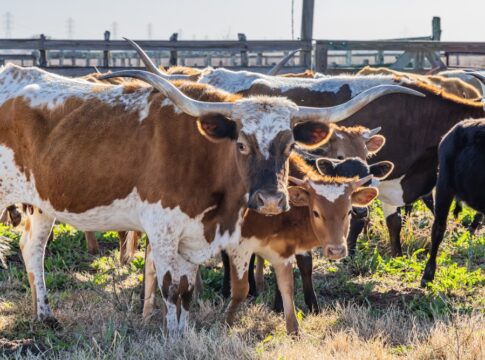
A flesh-eating parasite that once ravaged Southern cattle is back in Texas, and the nation’s food supply now depends on whether Washington’s delayed defense system can catch up in time.
Story Snapshot
- A deadly flesh-eating screwworm has been confirmed in Texas livestock for the first time in decades.[3]
- Experts warn a full outbreak could cost cattle producers billions and tighten beef supplies nationwide.[5]
- A new sterile-fly factory meant to defend the border is years behind schedule, weakening the response.[1]
- Texas ranchers are urged to watch their herds closely as quarantines and border controls expand.[2][6]
Flesh-Eating Screwworm Returns To Texas After Decades
The United States Department of Agriculture (USDA) has confirmed that the New World screwworm, a flesh-eating fly once wiped out from this country, has reappeared in Texas cattle.[3] Officials first found the parasite in a three-week-old calf in South Texas, about 100 miles southwest of San Antonio, triggering alarms across the ranching community.[3] Texas authorities say this is the first in-state detection since the 1960s and are treating it as a serious livestock emergency.[6]
The New World screwworm is not a normal fly problem. Female flies lay eggs in open wounds or soft tissue on warm-blooded animals, and when the eggs hatch, the larvae burrow into healthy flesh and eat it from the inside out.[5][6] Texas A&M experts warn that untreated animals can suffer severe pain, infection, and death as the maggots spread.[5] This parasite can hit cattle, wildlife, pets, and, in rare cases, even people, making fast detection and treatment vital.[5]
Why This Outbreak Threatens Cattle, Beef Prices, And Border Security
Texas A&M estimates that if screwworm becomes established again in the United States, the cattle industry alone could face about $2.1 billion in losses from death, treatment costs, and lost production.[5] That risk lands on an already stressed herd: national cattle numbers sit near 75‑year lows after years of drought and high feed costs.[2] Any major hit to Texas, the country’s top beef state, could push prices higher for families already squeezed by inflation at the grocery store.[2]
The current outbreak is not limited to a single animal. Federal and state officials have now confirmed multiple screwworm cases in Texas, including several cattle, a goat in Central Texas, and a dog linked to neighboring New Mexico, showing the parasite can move quickly across long distances.[2] To slow the spread, authorities have expanded quarantine and observation zones and placed new limits on moving live warm‑blooded animals out of affected areas.[2] The USDA has also suspended some live animal imports from Mexico as screwworm spreads north from Central America.[1]
Delayed Sterile-Fly Factory Leaves U.S. Response Exposed
For decades, America’s main weapon against screwworm has been the sterile insect technique, where government planes drop huge numbers of lab-raised, sterile male flies over outbreak zones so they mate with wild females and crash the population. That strategy helped drive the parasite out of the United States by the late 1960s and hold a defensive line farther south in Latin America. But today’s surge is pushing that system to its limits as cases approach and now cross the Texas border.[1]
In response, Agriculture Secretary Brooke Rollins and Texas Governor Greg Abbott announced an $850 million federal screwworm defense package centered on a massive new sterile-fly production facility.[1] The plant is designed to dramatically increase the number of sterile males available so the government can flood infected zones fast when outbreaks flare.[1] But construction, permitting, and design delays have pushed the full buildout years down the road, leaving today’s response dependent on older, smaller production systems that cannot match a large, sustained invasion along the border.[1]
Ranchers On Alert As Texas And Feds Race The Clock
Texas ranchers, already frustrated by years of weak border enforcement and foreign animal disease scares, now face a parasite that literally eats their cattle alive.[4] Many in South Texas say they watched screwworm march through Mexico and Central America and warned that Washington’s slow walk on new biosecurity tools would come back to haunt producers here.[1] Lawmakers previously heard conflicting reports about the state’s readiness, and the current outbreak is now putting those plans to the test in real time.
Texas outfitters are worried that a screwworm outbreak there could ruin their hunting season. Wyoming outfitters and hunters say if the infestation hits here, it would be a wildlife disaster. "We don’t know yet whether to be scared,” said one.https://t.co/FlF3FU5guq
— Cowboy State Daily (@daily_cowboy) June 13, 2026
State and federal officials are urging every cattleman, hunter, and pet owner in Texas to check animals daily for fresh wounds and signs of maggots and to report any suspected screwworm immediately.[5][6] The Texas Animal Health Commission lists the parasite as a reportable condition and directs ranchers not to move suspect animals until veterinarians give the all clear.[6] That vigilance on the ground, paired with faster federal follow‑through on promised sterile-fly capacity, will help decide whether this outbreak is contained or becomes a long, costly fight for America’s cattle country.[1]
Sources:
[1] Web – Flesh-Eating Screwworm Outbreak Threatens Texas Cattle Industry as …
[2] Web – Texas Cattle Industry Braces For An Imminent Screwworm Infestation
[3] YouTube – Screwworm outbreak near Texas-Mexico border threatens cattle
[4] Web – USDA Confirms New World Screwworm in Texas
[5] YouTube – New World screwworm case in Texas raises concerns for cattle …
[6] Web – What is the New World screwworm, and why does it matter to Texas?