
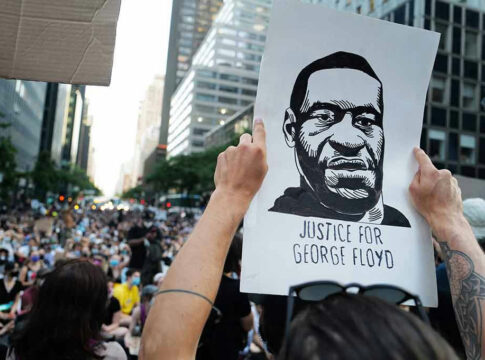
A mayor’s Memorial Day nod to George Floyd lit the fuse on a cultural tripwire that many leaders still pretend is not there.
Story Snapshot
- Minneapolis Mayor Jacob Frey faced backlash for highlighting George Floyd on Memorial Day, a day reserved for fallen service members [7].
- Frey’s public association with honoring Floyd dates to 2020 memorial footage and subsequent city initiatives around George Floyd Square [1][2].
- The dispute reflects a wider fight over what—and who—America chooses to commemorate on sacred civic days [7].
- Critics argue conflating Memorial Day with other remembrances dilutes a solemn military tradition; supporters frame it as civic healing.
What Actually Happened And Why It Set People Off
Minneapolis Mayor Jacob Frey drew criticism after messages and appearances framed remembrance of George Floyd on Memorial Day, prompting claims that he sidelined tributes to America’s fallen troops [7]. The mayor’s connection to honoring Floyd is not new. Video from 2020 shows him pausing at Floyd’s casket, kneeling, and crying during memorial observances that followed Floyd’s death and nationwide unrest [1]. The immediate controversy hinged on timing and symbolism: Memorial Day is dedicated to service members who died in uniform, and many voters view deviations as disrespectful to that singular purpose [7].
The mayor’s office has also supported a formal remembrance footprint. A city bulletin last year said Minneapolis is advancing a flexible-open street concept for George Floyd Square, explicitly describing a vision that “honors George Floyd” and centers healing and unity [2]. That posture shaped perceptions that this Memorial Day moment fit a pattern—less an offhand nod, more an ongoing project of civic sanctification. Critics judged the move through a conservative lens of common sense: reserve Memorial Day for the fallen, set aside different days, places, and budgets for other commemorations, and avoid muddling meanings that bind a divided country [7].
The Evidence On Remembrance Versus Memorial Day Protocol
Public record links Frey to honoring George Floyd both symbolically and administratively. The 2020 memorial footage documents a personal, high-profile act of mourning [1]. The city’s George Floyd Square plan articulates an official commitment to commemoration [2]. Coverage describing the Memorial Day uproar reports the backlash and the framing that he prioritized Floyd on a day dedicated to military sacrifice [7]. None of that proves a formal proclamation renaming Memorial Day, but it clearly substantiates the charge that the mayor elevated Floyd’s memory in proximity to the holiday’s rituals and expectations [7].
Observers who defend Frey argue that acknowledging Floyd’s impact does not negate respect for service members. They point to the city’s multi-year effort to balance policing reforms and community healing. Skeptics counter that balance means time, place, and order. They view Memorial Day as the one civic day that should never compete for attention, precisely because it anchors national gratitude in those who accepted lethal risk under orders. That clarity, they argue, helps unify people who disagree on nearly everything else [7].
How The Narrative War Shapes Policy And Trust
Politicized memorials rarely stay symbolic. They steer budgets, policing priorities, and how streets are physically used. Minneapolis’s plan for George Floyd Square blends traffic design with public memory, embedding values into a permanent space [2]. Supporters see reconciliation and tourism potential; detractors see selective history and soft-on-crime optics during a period of public safety anxiety. When leaders blur solemn dates with contested narratives, they make every subsequent policy choice feel like a referendum on identity rather than a negotiation over services and safety [2][7].
Minneapolis Mayor Jacob Frey Remembers George Floyd Ahead Of Troops On Memorial Day https://t.co/tuSjWRKeHy via @dailycaller
— Toni Tyson (@TTysonToni1) May 26, 2026
Conservative voters read this through a simple hierarchy: nation first, military dead first, then everything else in proper sequence. On that score, the facts align with the critique more than the defense. Video history establishes Frey’s sustained emotive investment in Floyd’s memory [1]. The city’s own materials establish an institutionalized honoring framework [2]. Media coverage documents a Memorial Day framing that triggered exactly the reaction anyone familiar with military tradition would predict [7]. Leaders who ignore those boundaries may win applause from activists but burn trust with the broader public that expects guardrails around sacred days.
Sources:
[1] YouTube – Minneapolis Mayor Jacob Frey cries at George Floyd’s …
[2] Web – Mayor Frey Celebrates Major Step Forward for George Floyd Square
[7] Web – Why Is This Democrat Spending Memorial Day Honoring George …